 tribaluk.com – Current Affairs & Daily Live News
 tribaluk.com – Current Affairs & Daily Live News
Staying hydrated isn't just about quenching your thirst; it could be a powerful tool in preventing heart disease. A recent study has revealed a significant link between adequate hydration and a reduced risk of hypertension and heart failure.

The research, conducted at Bar-Ilan University and published in the European Journal of Preventive Cardiology, analyzed data from over 400,000 adults over two decades. It suggests that maintaining optimal hydration levels can have a protective effect on the heart, challenging previous assumptions about safe sodium levels in the blood.
The human body is approximately 60% water, highlighting the critical role of hydration in various bodily functions. The commonly recommended "8x8 rule" – drinking eight 8-ounce glasses of water daily – serves as a good starting point. Adequate hydration is known to improve brain function, boost digestive health, and aid in weight management, among other benefits.
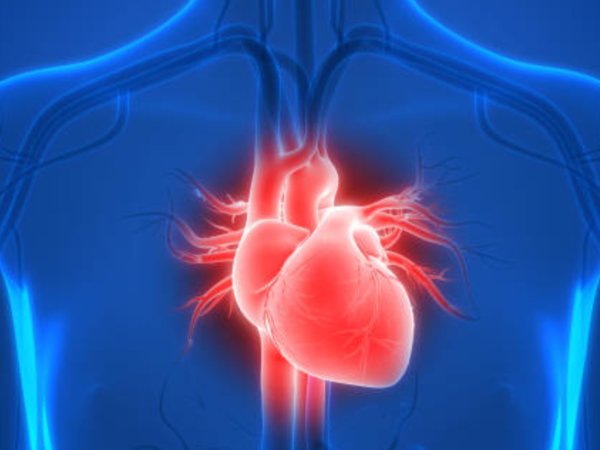
This latest study sheds light on the profound impact of water intake on cardiovascular health. Researchers discovered that individuals with sodium levels at the higher end of the "normal" range were more susceptible to developing hypertension and heart failure.
Specifically, the study revealed that sodium levels of 140–142 mmol/L, still within the normal range, were associated with a 13% increased risk of hypertension. When sodium levels exceeded 143 mmol/L, the risk of hypertension jumped to 29%, and the risk of heart failure increased by 20%. Alarmingly, nearly 60% of the healthy adult population studied had sodium levels within these risk-associated ranges.

Standard blood tests typically consider sodium levels between 135–146 mmol/L as normal. However, this research challenges that broad definition, indicating a strong correlation between higher sodium levels within this range and increased cardiovascular risk, even in otherwise healthy individuals.
Professor Jonathan Rabinowitz, the lead author of the study from Bar-Ilan University, emphasizes the significance of hydration in chronic disease prevention. "Our findings point to hydration as a critical and overlooked part of chronic disease prevention," he stated. "A simple blood test might flag people who could benefit from basic lifestyle adjustments—like drinking more water, which reduces sodium levels."
The study underscores the importance of staying adequately hydrated to reduce the long-term risk of serious conditions like hypertension and heart failure. Making a conscious effort to drink more water could be a simple yet effective step towards a healthier heart.
Newer articles

 Samsung Unveils Galaxy A35 5G and A55 5G Prices, Launching with Attractive Deals
 Mirabai Chanu Reveals Relentless Weightlifting Focus: Family Time Can't Dim Training Mindset
 SA20 Auction: Teams Allowed to Retain Up to Six Players, RTM Card Introduced, and Salary Cap Boosted
 5 Science-Backed Tiny Habits for a Dramatically Healthier Heart
 FIFA Club World Cup 2025: Upsets, Underdogs, and Heat Waves Define Group Stage as Round of 16 Beckons
 Political Power Dressing: 5 Style Secrets from New York Assemblyman Zohran Mamdani
 Tottenham Signs Japan's Kota Takai to Bolster Defense
 Rohit Sharma Hails Barbados as India Celebrates T20 World Cup Victory
 Gill Needs 'Attitude Adjustment' Warns Haddin After India's Test Defeat
 7 Proven Strategies to Help Kids Beat Distractions and Boost Focus